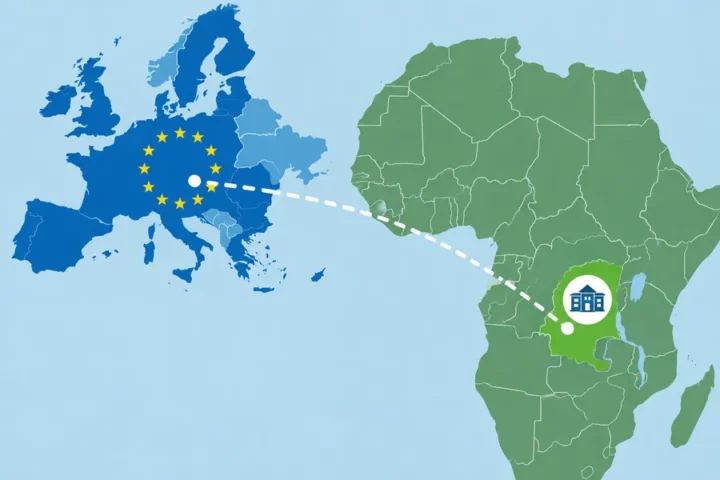
Germany, Austria, the Netherlands, Denmark and Greece have announced plans to establish a centre in Rwanda for people who have no right to remain in their territories and have exhausted their legal options to secure that right. Announced on 16 November, the proposal involves opening negotiations with Rwanda. It does not mark the opening of a centre or the start of transfers.
According to the Guardian, the five governments said in a joint statement that they would begin concrete negotiations on putting the project into practice. The proposed return hub would receive people subject to removal, rather than those whose asylum applications are still being considered.
First transfers planned for 2027
The BBC reports that the Dutch and Danish governments said the programme was intended to be ready to receive people in 2027. A Dutch government statement quoted by the broadcaster says the first phase would involve only single men.
Both news organisations, citing diplomatic sources or officials, report that an initial pilot could involve around 100 people. That is the provisional scale being discussed, not a figure for people already sent to Rwanda.
Under the proposals, those transferred would have the option of settling in Rwanda or returning to their country of origin. The BBC reports that the promised arrangements for integration in Rwanda include residence rights and access to education, healthcare, employment and justice. These are proposed provisions, rather than an account of conditions in an operating programme.
Questions over legal safeguards
The participating countries say the scheme would comply with EU and international law. Human rights organisations, however, have raised concerns about protections for people deported and conditions in Rwanda. The governments’ assurances do not amount to a court ruling that the proposed arrangements are lawful.
Council of Europe secretary general Alain Berset told the Guardian that compatibility with the European Convention on Human Rights would have to be assessed on a case-by-case basis. The newspaper also points to the possibility of legal challenges to the programme.
Although the choice of Rwanda may draw comparisons with the UK’s abandoned scheme, the two projects have different aims. The British plan involved sending people to Rwanda to have their asylum claims processed. The five EU countries’ proposal concerns people who have already completed the relevant procedures without securing a right to remain. That is a fundamental distinction in who would be eligible for transfer.