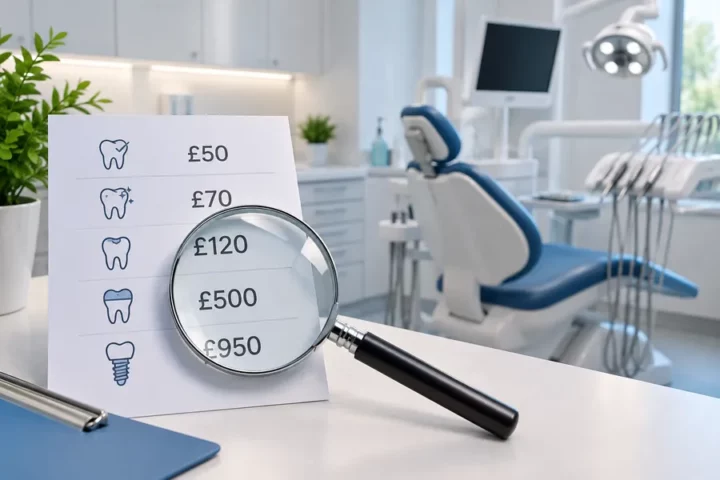
Prices at large dental groups rose by an average of around 7% a year, while patients struggle to compare treatment costs, according to preliminary findings by the Competition and Markets Authority (CMA), reported by The Guardian. The UK competition watchdog is calling for changes to private dentistry and warning that sales incentives could put commercial interests ahead of patients’ needs.
In an article published on 26 November, The Guardian puts the value of the UK private dental market at around £8 billion. Its importance to household budgets is considerable: according to the report cited by the newspaper, around 60% of patients pay privately for at least some of their dental care.
Rising prices and difficulty comparing costs
The CMA’s analysis indicates that prices at large dental groups increased by an average of around 7% a year between 2023 and 2025, outpacing inflation and wages. That finding applies to large groups, rather than every dental practice in the country.
The size of the bill is not the only concern. According to the regulator, prices vary substantially between practices, while patients face difficulties comparing options and switching providers. One in six private dental practices in the UK does not publish a price list online, limiting patients’ ability to check costs before choosing where to seek treatment.
Watchdog warns about sales incentives
According to The Guardian, the CMA found evidence of sales targets covering the transfer of NHS patients to private care. The NHS is the UK’s publicly funded health service. The watchdog also identified incentives to sell more expensive treatments and increase sales of dental payment plans.
In the CMA’s assessment, these arrangements create a risk that patients could be sold treatment that is not in their best interests. This is a warning about how the market operates, rather than a finding that every practice uses such methods or that any particular patient received unnecessary treatment.
The regulator is calling for governments to take a more active role in shaping the market, using their position as buyers and commissioners of dental services. The Guardian reports that the CMA is working with governments across the UK on a package of changes.
For now, these are preliminary findings and proposals, not new rules already in force. A final report is expected in March, marking the next stage of work on a market used both by people whose dental care is entirely private and by those who combine private appointments with NHS treatment.