Russian attacks on civilians and essential energy infrastructure in Ukraine amounted to war crimes, according to new findings by the Independent International Commission of Inquiry on Ukraine, reported by UN News on 26 October 2026. The commission also identified crimes against humanity and evidence that men who had been trafficked were recruited into Russia’s armed forces.
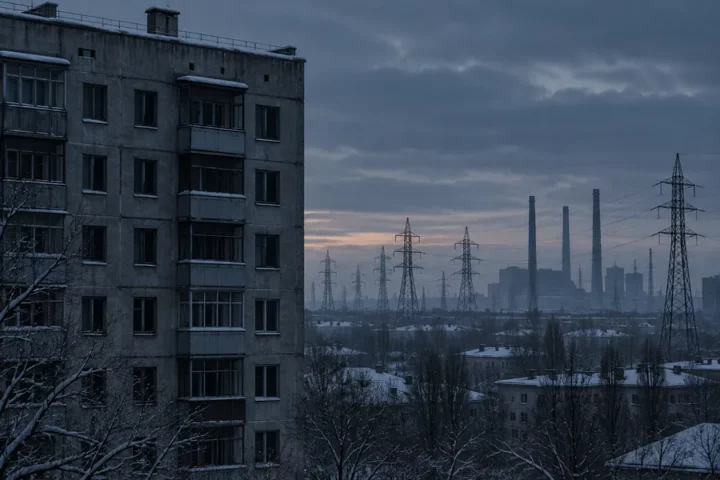
A central focus of its latest report is the impact of destroying infrastructure needed to survive the winter. According to the commission, commanders who ordered the attacks knew that heating installations were essential to civilians, particularly during the coldest months. It found that deliberately directing attacks against civilian facilities constituted war crimes.
Winter without heating, electricity or water
As UN News reports, the findings describe the consequences of losing heating, electricity and water, alongside reduced access to basic services and life-support equipment. Older people were particularly affected. The destruction meant not only interruptions to supplies, but also reduced access to life-support equipment and essential services.
For its latest report, the commission drew on accounts from 255 people who had experienced harsh winter conditions across nine Ukrainian regions. It also used information from Ukrainian authorities, doctors and non-governmental organisations. The findings concern a range of earlier actions, rather than a single attack.
The commission also investigated attacks by Ukraine’s armed forces on energy infrastructure in Russia and occupied parts of Ukraine. However, it could not examine their effects inside Russia because the Russian authorities neither granted access nor responded to requests for information. This was a significant limitation on that part of the investigation.
Recruitment through deception and coercion
A separate part of the report concerns foreign nationals recruited into Russia’s armed forces. The commission said there was compelling evidence that Russian authorities had recruited trafficked men from 29 countries, in violation of international human rights law.
According to the findings reported by UN News, recruitment involved deception and coercion. After arriving, the men were forced to sign Russian-language contracts with the Ministry of Defence. The commission called for all such individuals to be released from Russia’s armed forces.
The UN Human Rights Council established the commission in March 2022. Its members are independent experts, not UN employees, and receive no payment for this work. Their legal findings are those of a commission of inquiry, not a final court judgment establishing the criminal responsibility of particular individuals.