The Home Office has announced a review of how penalties for employing people illegally are imposed and enforced. According to the BBC, Home Secretary Shabana Mahmood announced the move in response to its investigation into how payments could be avoided. Home Office figures cited by the broadcaster put unpaid penalties at at least £150 million.
In a statement quoted by the BBC, Mahmood said the review would seek to ensure that all available measures could be used to tackle non-compliance and unpaid penalties. This remains an announcement of intended action: no review findings, detailed timetable or new rules for employers have been set out.
Undercover conversations and the lawyer’s response
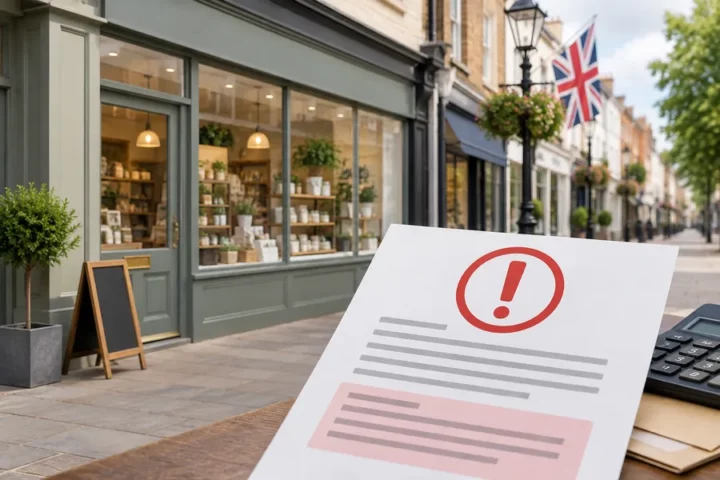
BBC reporters working undercover recorded conversations with Bradford lawyer Mohammad Alias Yousaf. They presented him with a fictitious case involving a shop supposedly facing a £45,000 penalty for illegally employing a worker. The shop, worker and penalty were all part of the reporters’ scenario — this was not a documented instance of someone avoiding payment of a real penalty.
According to the BBC’s findings, Yousaf proposed transferring responsibility for the penalty to someone outside the UK who would be presented as the business owner. The lawyer denied advising that a penalty should be attributed to someone who was not responsible for the business, or that false information should be given to the Home Office. He said he challenged penalties lawfully and had not taken on the reporter’s case.
The BBC also noted that, in later messages and a conversation, Yousaf refused to present a false account of events. These findings come from a journalistic investigation; the reporting does not describe a final court judgment or disciplinary ruling against the lawyer.
Penalties issued versus money collected
Home Office figures given to the BBC show that 5,755 penalties worth a total of £215 million were issued between 2021 and 2025. During that period, £60.5 million was collected. The size of the gap raises questions about the effectiveness of enforcement, but the figures cannot be treated as a straightforward total of penalties that employers unlawfully avoided paying.
The department pointed out that not all penalties issued during the period necessarily had to be paid within those same years. Appeals and discounts for prompt payment also reduce the amount ultimately collected compared with the penalties’ face value.
For employers, the key distinction is therefore between an announced review and a change in the rules. The Home Office response described by the BBC concerns an assessment of how penalties are imposed and recovered — it does not yet introduce new obligations or enforcement rules.