Contents
- A beautiful photograph can promise a bigger day out
- Some American visitors have asked the same question
- What to see beyond the bridge
- Lacock gives you somewhere to go after the village walk
- If stone cottages are what you came for
- Castle Combe, Lacock and Biddestone on the map
- Parking, food and a few practical details
- Worth visiting? Yes, with the right expectations
- Sources and planning information
Plan your drive to Castle Combe — Google Maps
Castle Combe describes itself as one of England’s most photographed villages. A bridge, a stream and handsome stone cottages: it is easy to see why cameras get a workout here. But does somewhere that looks wonderful in a photograph automatically deserve an entire day out? You might arrive, take a look and think: lovely, certainly. But… is that it?
If you live in Britain, it is worth considering a visit at least once. There is no need to dismiss the village as overrated or pretend the view from the bridge has no appeal. The difficulty comes when we expect a few historic streets to fill a whole day, having already spent hours getting there. Castle Combe can make a very enjoyable stop. As the sole purpose of a lengthy journey, it needs more thought.
A beautiful photograph can promise a bigger day out
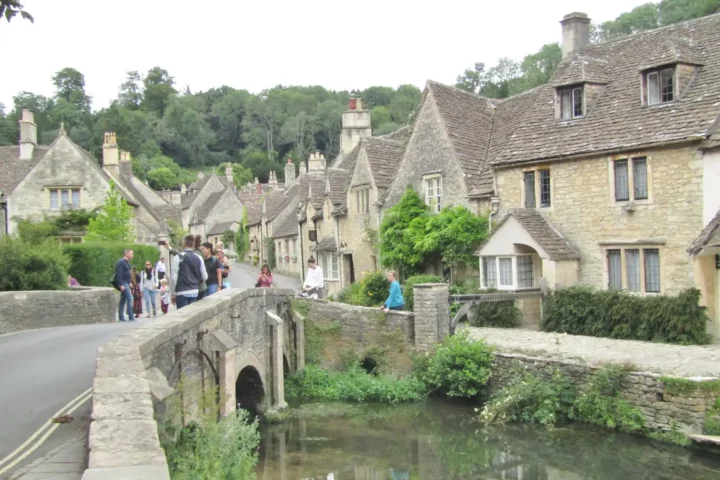
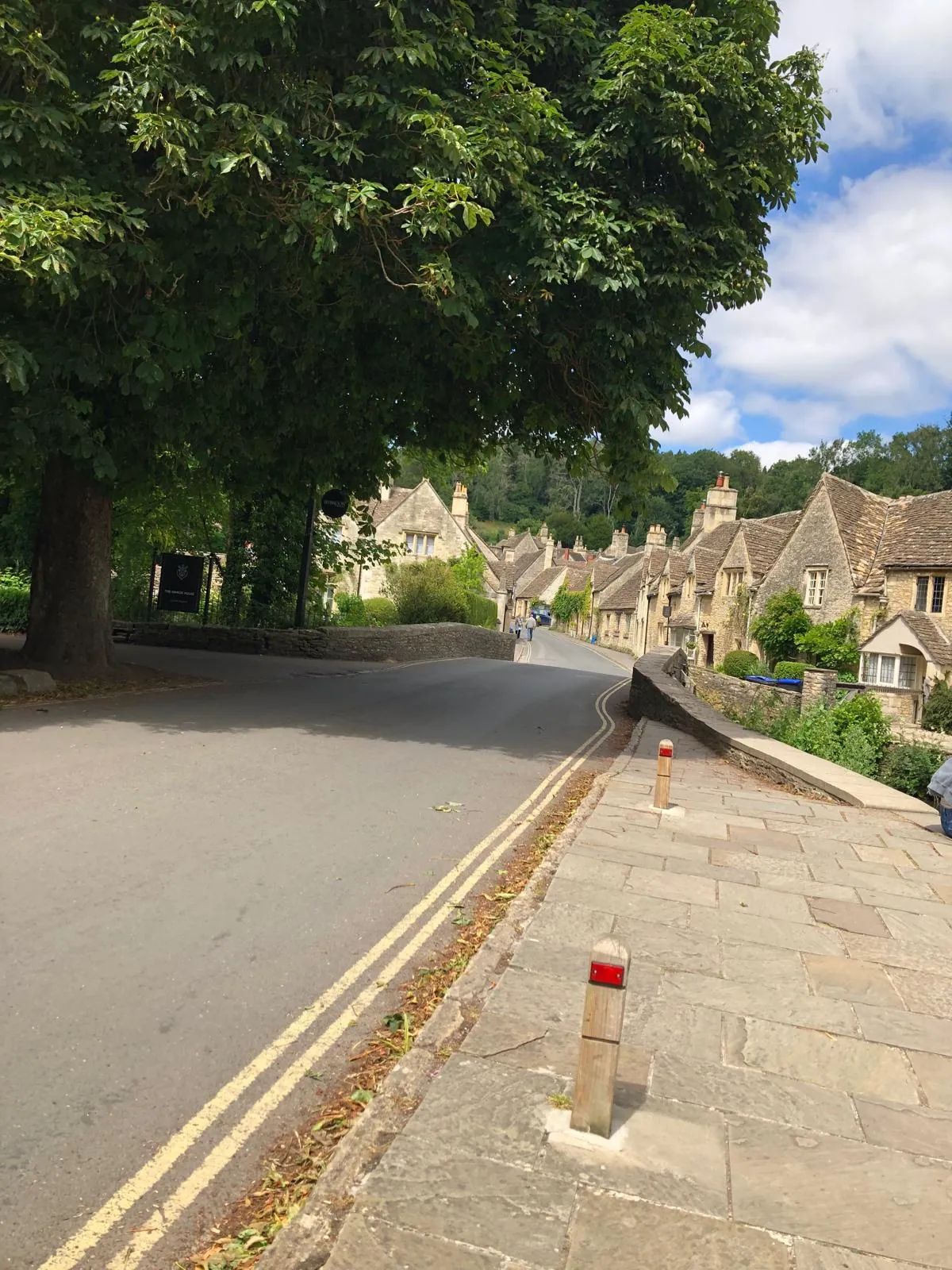
The famous scene is quite specific: the bridge over the By Brook, stone houses and the street rising behind them. It is memorable enough that familiarity can start to feel like evidence of a major attraction. A photograph does not tell you how quickly you will walk through the best-known part of the village. Nor does it suggest what to do once you put the camera away.
The description “one of England’s most photographed villages” appears on Castle Combe’s own website. We would treat that as a description of its reputation, rather than a verified league table. More useful is the same website’s advice that an average visit lasts just over an hour, and that the village is not usually an all-day destination. That deserves to appear alongside the glowing travel captions.
You can stay longer, of course: walk, stop for coffee, visit the church and explore beyond the familiar street. The point is to want that kind of day. If you are expecting a succession of interiors, activities and things to keep children occupied, attractive buildings alone may not provide it.
Some American visitors have asked the same question
A Wales Online article available through inkl collected several critical Tripadvisor reviews from American visitors. A reviewer from Alabama liked the street seen in Steven Spielberg’s “War Horse” but wondered whether there was anything more. One from Texas had expected a castle, while a visitor from Nevada decided against the walk after judging the village’s offering too limited.
These are selected personal accounts, not a survey of visitors. They do not establish today’s business opening hours, and they certainly do not mean Americans cannot appreciate an English village. They illustrate a familiar mismatch: when a place has been presented as an exceptional attraction, people may expect more than a beautiful view.
A similar question came up in a Cotswolds discussion on Reddit. Someone travelling with elderly parents was considering a special taxi trip from Bath. Replies mentioned the small size of the village, crowds and the expense of the journey; several suggested Lacock. The original poster ultimately chose that alternative. It is a useful distinction: not simply whether somewhere is pretty, but whether it suits your particular day.
What to see beyond the bridge
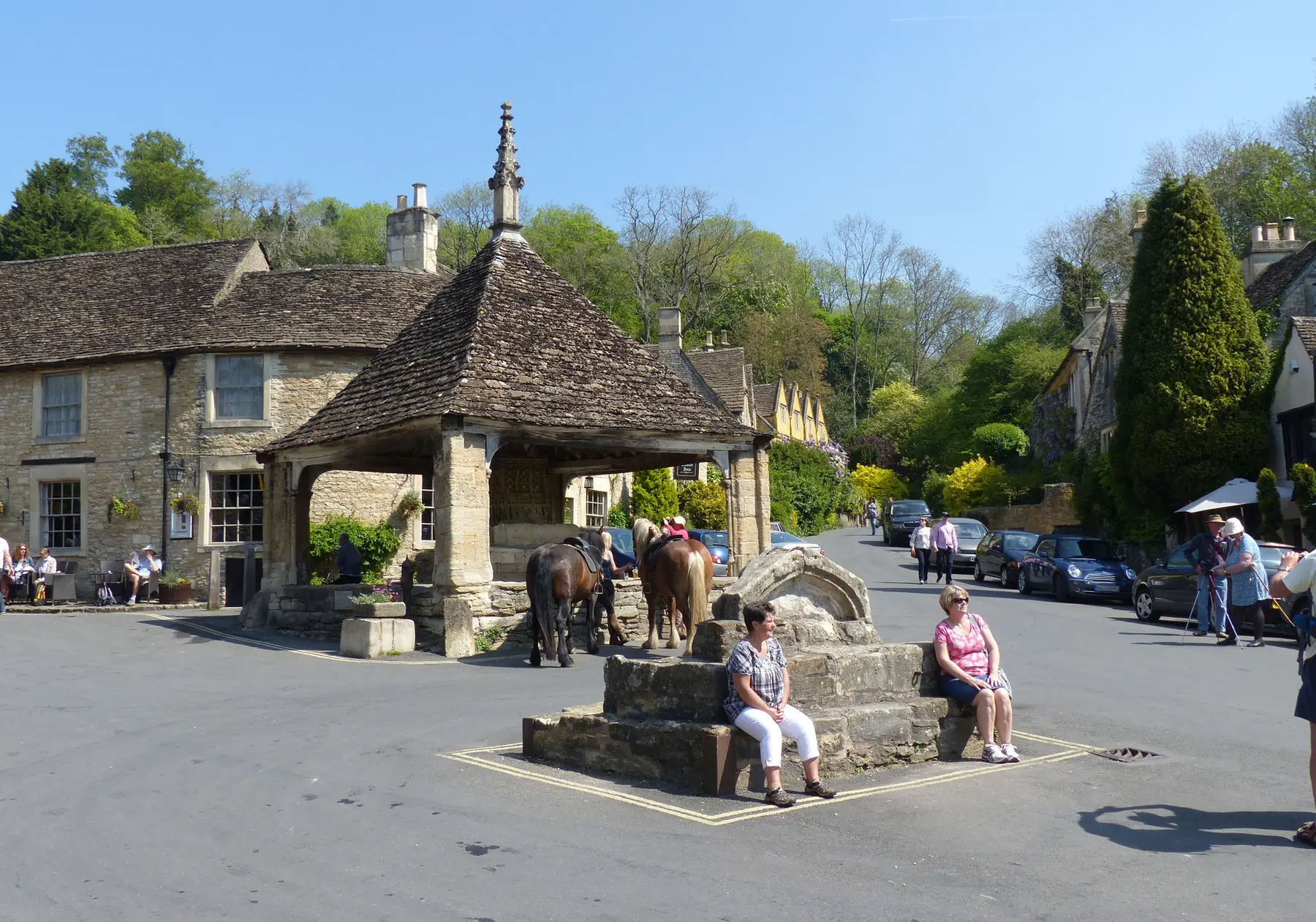
Walk slowly towards the Market Cross in the village centre. Castle Combe’s history is tied to wool and cloth, with the By Brook powering mills. Knowing a little about that past gives the buildings a purpose beyond providing a backdrop. The village history adds substance to a short walk, even if it does not turn it into hours of sightseeing.
St Andrew’s Church is worth a stop. Its heritage trail includes Walter de Dunstanville’s tomb and an old clock without a face, which marked the hours by ringing a bell. There is also material about “War Horse”. These are tangible things to look for that you could easily miss if the bridge photograph becomes the entire visit. Church entry is free, with donations supporting its upkeep.
The film connections are real. Castle Combe has been used for “War Horse”, “Stardust” and the classic “Doctor Dolittle”, as the village’s film guide explains. If recognising locations is part of the fun for you, that adds another reason to go. Otherwise, a list of film credits will not necessarily make you want to spend an afternoon here.
And the castle? There is no castle open for sightseeing. The remains of the former stronghold are on private land and are not publicly accessible. The name can create an expectation that a visit will not fulfil. It is better to know beforehand than arrive looking for an entrance that does not exist.
Lacock gives you somewhere to go after the village walk
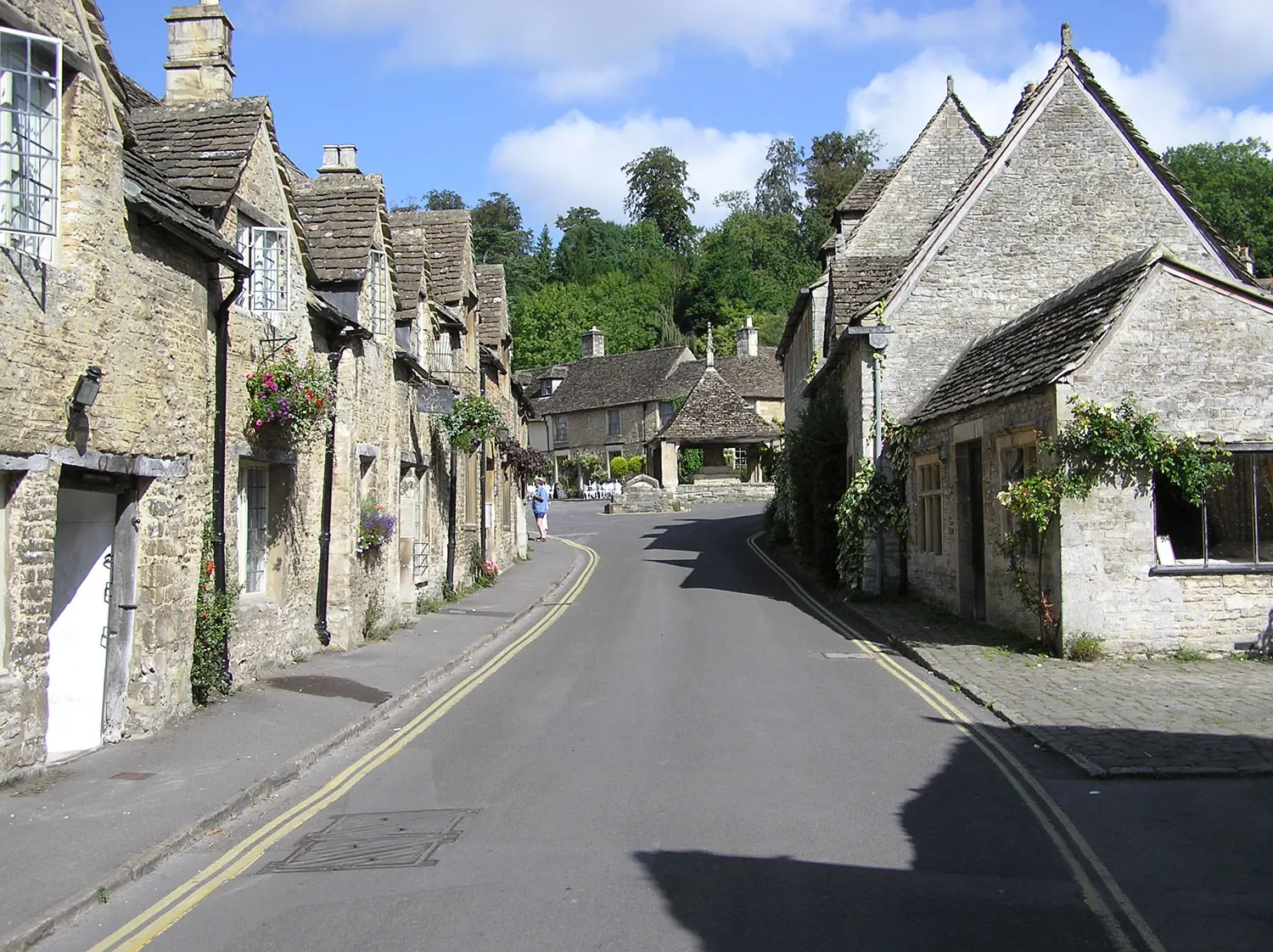
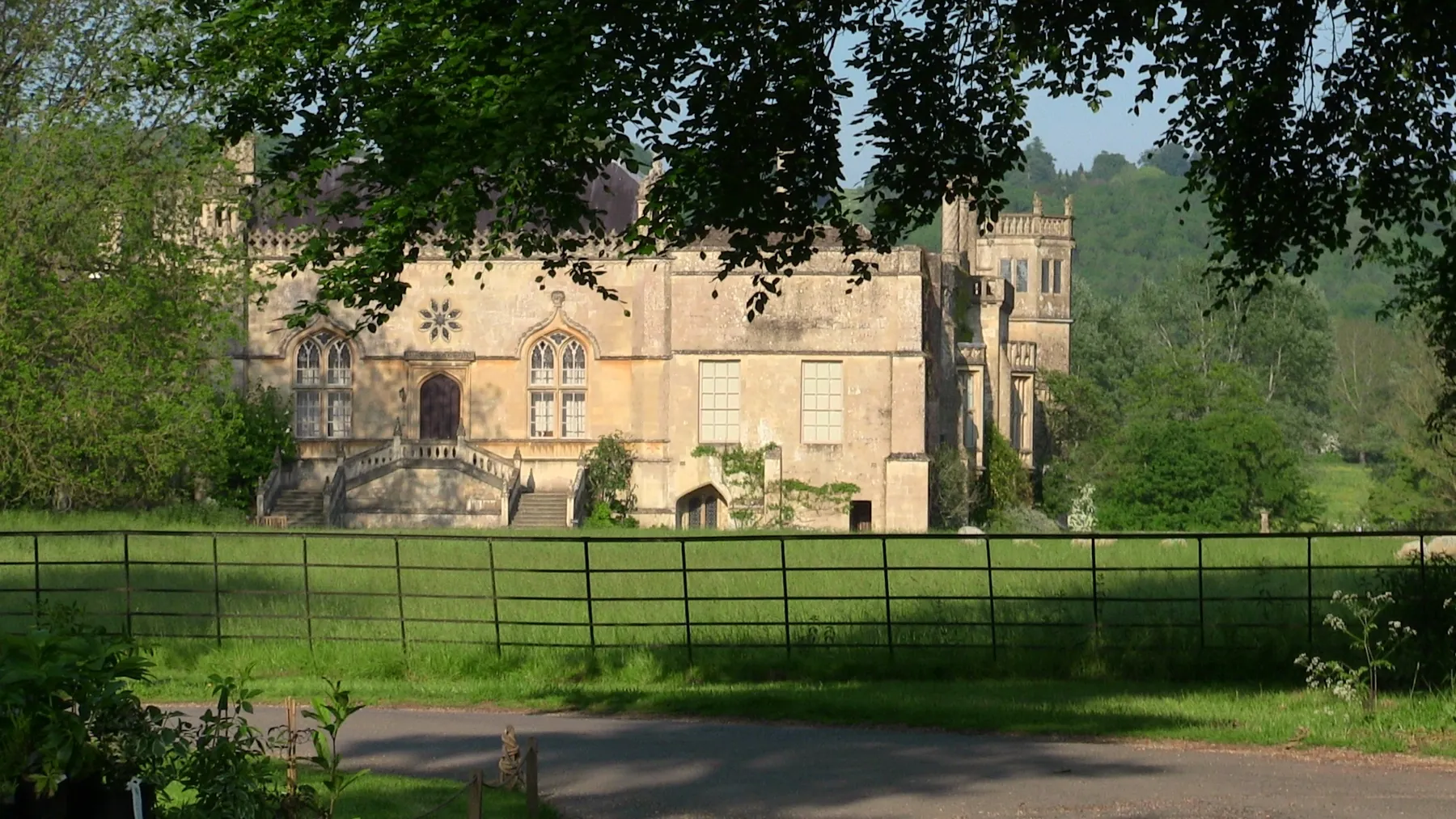
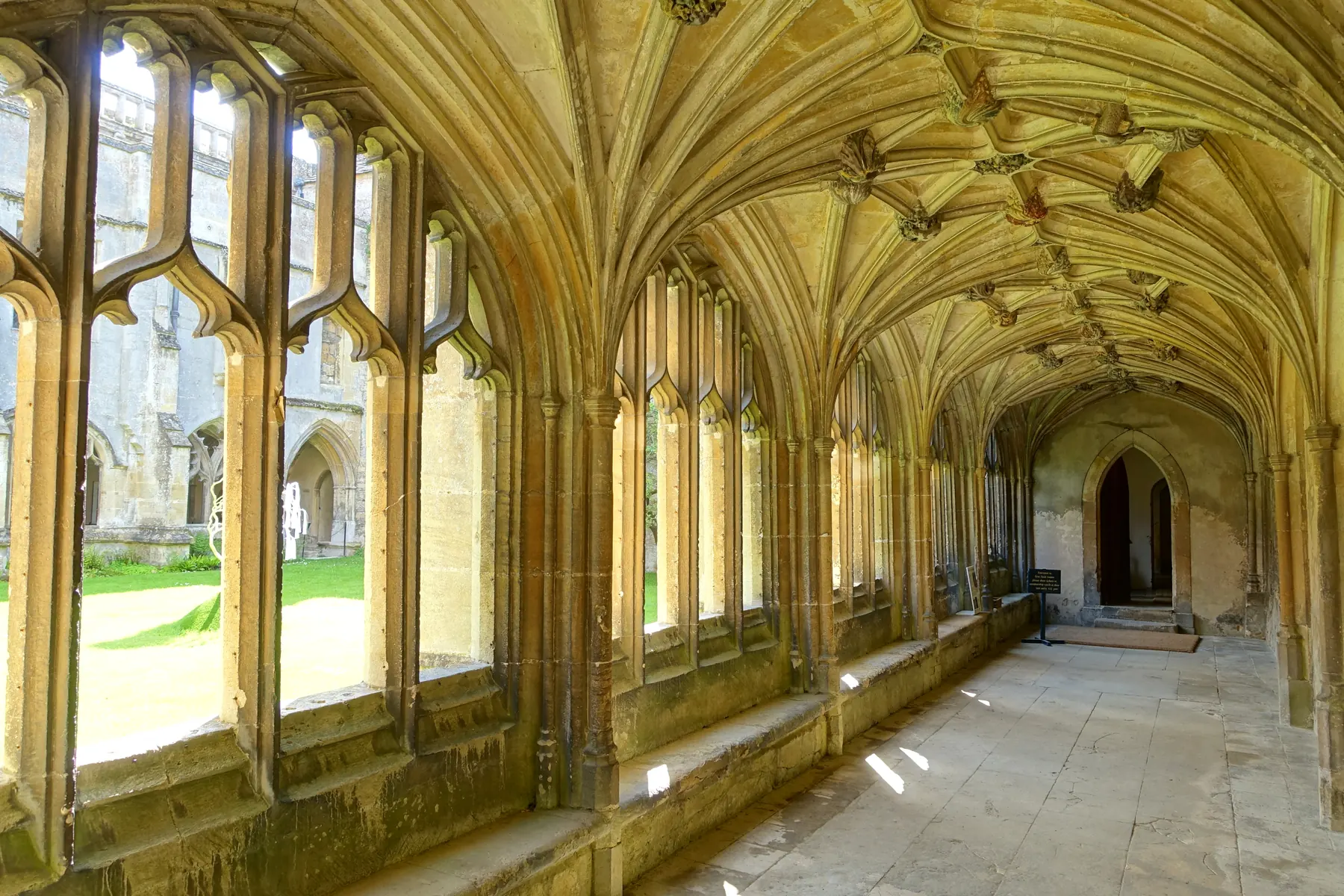
For a longer journey, Lacock is the addition we would consider. There is no need to settle a competition for the prettiest village. The difference is practical: after exploring the streets, you can visit the abbey, cloisters, garden and Fox Talbot Museum, which explores photography and William Henry Fox Talbot’s pioneering work. The plan need not end with your first photograph.
The village itself rewards a closer look. National Trust’s village guide describes four central streets, historic buildings and a medieval tithe barn. One intriguing detail is the old shop window at 2 High Street, preserved with an early twentieth-century display. Looking for details like that gives a walk a different rhythm from hurrying to reproduce a famous view.
A walk along public village streets is separate from admission to the abbey attraction. The abbey and gardens require a ticket unless covered by eligible National Trust membership, and access to individual areas varies seasonally. Standard adult admission for the March–October season is £21 without the voluntary Gift Aid addition; parking for non-members is £5 per day. Check the current prices and opening calendar before travelling, as not all interiors are available throughout the year.
Our suggested combination is straightforward: a relaxed walk in Castle Combe, followed by Lacock. If interiors, history and photography interest you, allow more time for the latter. If you simply want a walk without admission tickets, stick to the streets and surrounding area. There is no obligation to buy an attraction ticket just to make a day out feel worthwhile.
If stone cottages are what you came for
There is no need to limit yourself to one familiar view. Nearby Biddestone, for example, has houses around a village green and a duck pond. Here too, the appeal is walking and looking at the buildings. That is a fair comparison: we are suggesting a different village that might suit your afternoon, rather than promising a longer list of attractions.
Plan your drive to Biddestone — Google Maps
Is it prettier? That is a matter of taste. Castle Combe’s fame does not make everywhere else less attractive. Living in Britain gives you the freedom to choose somewhere closer, return in a different season or skip the standard itinerary altogether. You need not recreate every stop on someone else’s short overseas holiday.
Castle Combe, Lacock and Biddestone on the map
Our Mapy.com map marks the three stops in this plan. The markers identify places to explore, not car park entrances. Use the outdoor map to look around and choose footpaths; the Google Maps buttons are for planning your drive.
Map markers: 1 — Castle Combe; 2 — Lacock; 3 — Biddestone. These are three suggested stops on a driving day out, not a plotted walking route between the villages.
Parking, food and a few practical details
In Castle Combe, head for Castle Combe Visitors Car Park on Dunns Lane. It is a paid car park; check the displayed tariff. The historic village is downhill, which means an uphill return. Narrow roads do not always have pavements, something worth considering with children, a pushchair or limited mobility. Public toilets are on Water Lane beyond the bridge.
For a break, possibilities include The White Hart, The Castle Inn and The Old Stables Coffee Shop, all listed in the village food and drink guide. These are places to check, rather than our personal restaurant ratings. Look at menus and opening hours beforehand if you want a meal: do not assume every business serves food at every hour.
In Lacock, National Trust directs visitors to the Hither Way car park and gives SN15 2RQ as the navigation postcode. Set that as your destination rather than driving into the historic streets. The button at the beginning of this article is for Castle Combe; the one below takes you to the Lacock car park.
Plan your drive to the Lacock car park — Google Maps
Castle Combe can be very busy in summer and on bank holidays. An earlier visit may offer a quieter walk, but cannot guarantee an empty street. The cottages are people’s homes: take photographs from public areas, without looking through windows or stepping into gardens.
Worth visiting? Yes, with the right expectations
Castle Combe does not have to be either England’s greatest village or a travel disaster. You can enjoy it, visit once and feel no need to return every year. You might also love it enough to linger. Disappointment is more likely when you expect an itinerary the village never promised — other people’s travel posts promised it on the village’s behalf.
If you are nearby, consider a walk. If you are travelling farther, add Lacock and build the rest of the day around your interests. The bridge will be exactly the same. You will simply have something else to look forward to when you have finished taking its picture.
Find more ideas for days out in our Leisure section.
Sources and planning information
- Castle Combe — photography and visiting responsibly
- Castle Combe — planning a visit and average visit length
- Castle Combe — history and the former castle
- St Andrew’s Church heritage trail
- Castle Combe — film locations
- Castle Combe — parking and facilities
- Castle Combe — food and drink
- National Trust — Lacock, the abbey, museum, admission and parking
- National Trust — exploring Lacock village
- Biddestone & Slaughterford Parish Council — Biddestone
- Wales Online / inkl — selected critical reviews by American visitors
- Reddit — “Is Castle Combe worth the trip?” (individual opinions)
Featured photograph: Colin Smith / Castle Combe – Bybrook Bridge, CC BY-SA 2.0, via Wikimedia Commons. Taken on 27 July 2019; cropped to 3:2, resized and converted to WebP. Adapted image shared under the same licence.