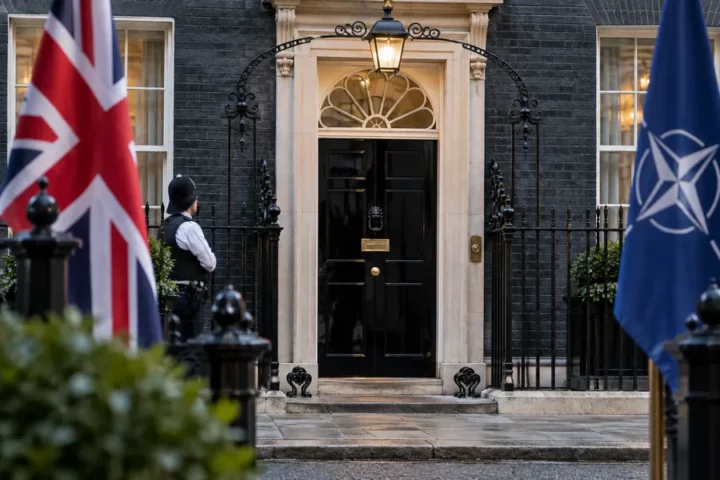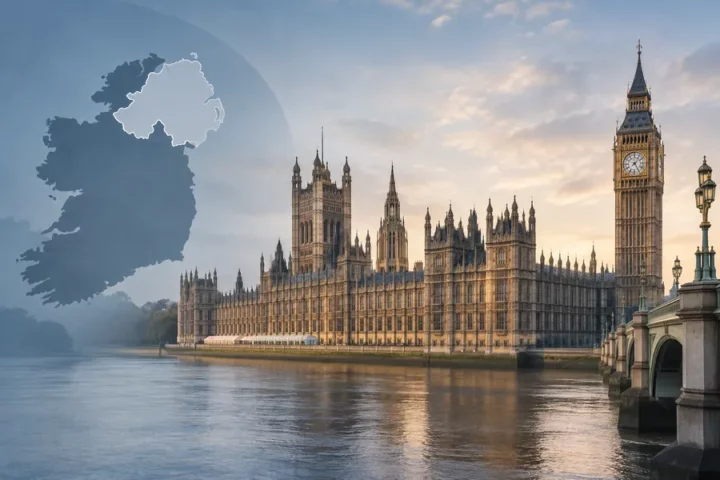
How should unresolved cases from the Northern Ireland conflict be addressed while protecting former soldiers from repeated investigations? That question lies at the heart of proposed changes to the Northern Ireland Troubles Bill. According to the BBC, the bill is due to return to the House of Commons on Monday 19 October 2026 for debate and votes on amendments. The proposals are not yet law.
The bill concerns the legacy of the Troubles, the decades-long conflict in which more than 3,500 people died. The government presents its plans as a way to provide answers for victims’ families while limiting repeated investigations into veterans. Mark Thompson of Relatives For Justice, however, fears that the proposals could shift control away from local courts and towards the political level.
What changes will MPs consider?
As reported by the BBC, government amendments would require the UK attorney general’s consent for serious criminal proceedings connected to the conflict. This is a central point of disagreement over who should decide whether such cases can proceed.
Other proposals include restrictions on approaching veterans without notice, wider opportunities to participate remotely in the commission’s work, and a requirement to consider the circumstances and orders under which military personnel operated. Before contacting a witness, the commission would have to consider whether significant new evidence existed or whether new information was likely to emerge.
The debate is scheduled to take place in a committee of the whole House, meaning all MPs can examine the detailed provisions rather than leaving that work to a smaller committee. The remaining Commons stages are planned for Tuesday. If MPs pass the bill, it could then move to the House of Lords.
Different expectations among families and veterans
Thompson’s concerns are the organisation representative’s assessment, rather than an established consequence of the proposed legislation. By contrast, solicitor Philip Barden, who represents former soldiers, defended the proposed role for the attorney general, pointing out that their decisions could be challenged in court.
Commissioner for Victims and Survivors Joe McVey called for the bill to focus more strongly on their needs and for continued parliamentary scrutiny. The disagreement therefore concerns not only the rules governing investigations and proceedings, but also whether the new system would help families obtain answers about the deaths of their loved ones.
The bill is intended to replace the 2023 Legacy Act. According to the BBC, that legislation provided for a ban on inquests — investigations into the circumstances of a death — and civil proceedings relating to Troubles-era events. Its immunity scheme for suspects who co-operated was disapplied after the courts found it unlawful.
The plan described by the BBC includes a commission investigating killings linked to the conflict, a separate information-recovery body and a dedicated unit within the Irish police. Their arrangements remain subject to the legislative process. The scheduled debate does not establish how MPs will vote or what the final legislation will contain.