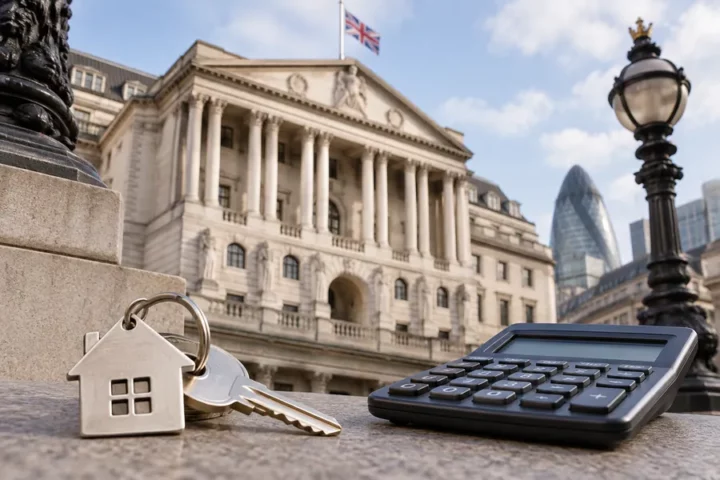
Huw Pill, the Bank of England’s chief economist, believes further interest rate rises may be needed to bring inflation back to its 2% target. Reporting on 14 November, The Guardian cited his interview with the Financial Times, in which he said he expected data to emerge supporting further monetary tightening. His comments represent the view of one member of the rate-setting committee, however, rather than a confirmed decision by the Bank.
According to the newspaper, Pill is particularly concerned about the second-round effects of inflation. These include wage pressures that could prolong price rises and make it harder to return inflation to target. His comments suggest the Bank should remain ready to act if incoming data confirm that those pressures are persisting.
The Guardian reports that the Bank’s base rate has been raised from 3.75% to 4%. The next meeting of the Monetary Policy Committee — the body responsible for setting the Bank’s interest rate — is scheduled for 17 December 2026. Pill’s remarks do not settle how the committee will vote at that meeting.
Markets expect rates to approach 5% in 2027
According to The Guardian, financial markets expect UK interest rates to rise to almost 5% in 2027. Pill described those expectations as not excessive. That does not mean the Bank has adopted that path or committed to reaching that level: it is a market forecast on which the economist was commenting.
Pill also acknowledged that future data could develop in different directions. The newspaper’s report notes differing assessments of the strength of the UK economy. Further increases therefore remain a possibility dependent on incoming information, rather than a predetermined course.
For anyone following the outlook for borrowing costs, the key distinction is between the current 4% rate, the chief economist’s view and market expectations for next year. Neither of the latter two replaces a decision by the committee as a whole.