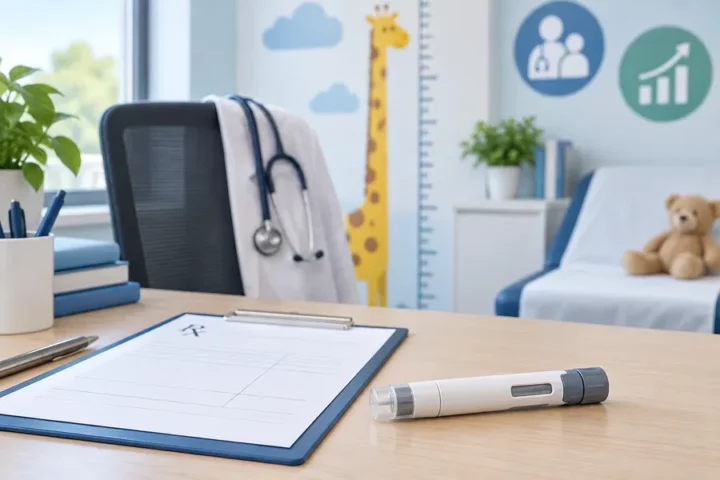
Under-18s in England were issued 419 prescriptions for GLP-1 medicines in the 2025–2026 financial year, including 10 prescriptions for children under 12, according to findings reported by The Guardian. These medicines are used to treat type 2 diabetes and, in some cases, obesity. However, the figures do not show why individual medicines were prescribed or how many patients received treatment.
The newspaper published its findings on 14 November 2026, drawing on information obtained through a freedom of information request to the NHS Business Services Authority, which administers some services for the NHS. In the next period covered by the figures — April to July 2026 — under-18s were issued 341 such prescriptions, including 15 for children under 12.
These are prescription counts, not numbers of children. One patient may have received more than one prescription. The figures therefore cannot establish that hundreds of different children received treatment, or be used to calculate an increase in the number of patients. The annual total and the four-month figures also cover periods of different lengths.
Not every prescription means treatment for obesity
GLP-1 medicines were originally developed to help control blood glucose levels in people with type 2 diabetes. Some are also used to treat obesity. As The Guardian notes, it is not known whether the medicines included in these figures were prescribed primarily for weight loss. Describing all of them as weight-loss prescriptions would therefore be misleading.
The figures cover prescriptions issued in England and dispensed by community pharmacies across the UK. They exclude private prescriptions and medicines prescribed and dispensed in hospitals and prisons. They therefore capture only part of GLP-1 prescribing for under-18s, rather than the full extent of treatment.
The numbers alone also cannot establish whether individual prescriptions were clinically appropriate or lawful, including those issued for children under 12.
Specialist highlights need for long-term care
Professor Martin Whyte of the University of Surrey, quoted by the newspaper, stresses that treatment of children with these medicines should take place within specialist care, with nutritional support and long-term monitoring. This should cover not only weight but also growth, puberty, nutritional status, mental health, eating behaviours and possible side effects.
Whyte also highlights the limited evidence about the effects of using these medicines over many years in young people who are still growing. The Guardian’s findings show that GLP-1 medicines are being prescribed to under-18s, but do not answer questions about individual patients’ diagnoses, treatment or outcomes.