Some 1.2 billion people live in multidimensional poverty, according to the 2026 update of the global Multidimensional Poverty Index (MPI), reported by UN News. That is 51.5 million more than in the previous edition and the first increase in the number of people in poverty in 15 years. Children make up more than half of the total. There is, however, an important qualification: the figures do not mean that all those additional people fell into poverty within a single year, or that the global poverty rate has risen.
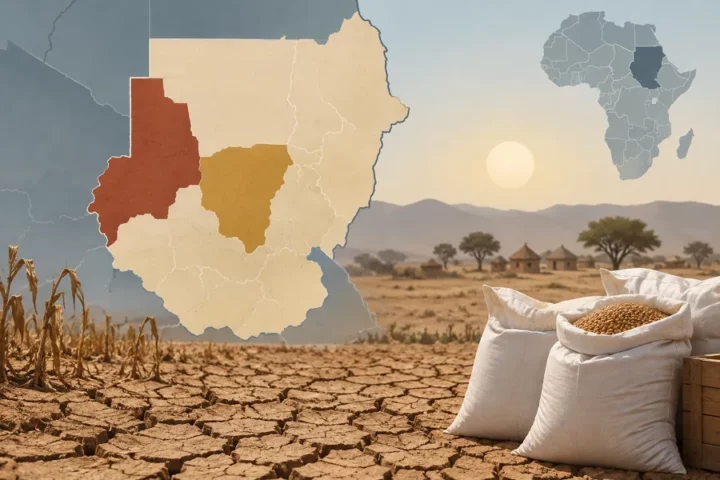
The update, produced by the United Nations Development Programme (UNDP) and the University of Oxford, covers 108 countries home to around 78% of the world’s population. According to UN News, those counted as living in poverty include 617 million children, while 83% of all people in multidimensional poverty live in rural areas.
Poverty is about more than money
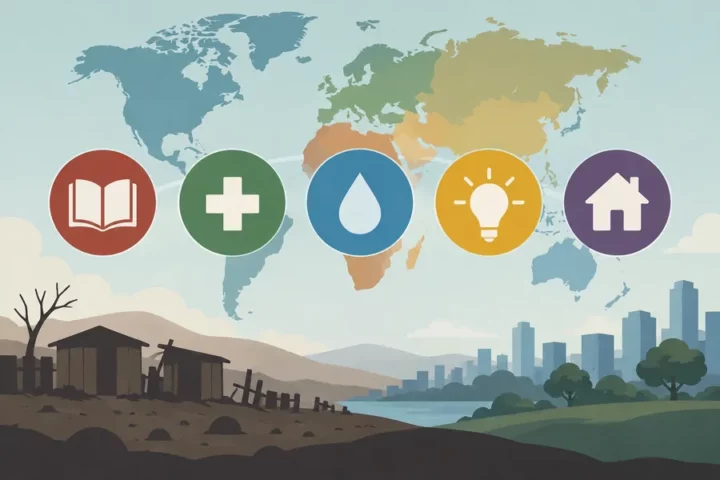
The MPI measures overlapping deprivations in three areas: health, education and living standards. It uses 10 indicators covering matters such as nutrition, schooling and access to electricity, drinking water and adequate sanitation. Rather than measuring poverty solely through income, it also captures a lack of access to basic living conditions.
How the comparison with the previous edition was compiled is equally important. In 95 countries, no new survey data were available. Updated population estimates alone increased the number of people counted as living in poverty in those countries by almost 16 million. The rest of the increase comes from 13 countries with new data and reflects changes in poverty rates, demographic shifts and differences in the coverage of indicators.
Comparing successive updates therefore does not provide a uniform measure of how living conditions worldwide changed over a single year. The year 2026 refers to the edition of the index, not a common year in which all the data were collected. Nor does the higher number recorded in the update demonstrate an increase in the global proportion of people living in poverty.
A lower poverty rate, but more people in poverty
Results from individual countries illustrate the distinction between numbers and proportions. Egypt, Nepal, Tajikistan, Angola and Zambia reduced the share of their populations living in multidimensional poverty. In Angola and Zambia, the number nevertheless rose because population growth outpaced poverty reduction. In Nigeria, according to UN News, both the proportion and the number of people in poverty increased, following earlier progress between 2010 and 2019.
UNDP Administrator Alexander De Croo described the increase as a wake-up call for the world. At the same time, UNDP points to evidence that sustained improvement is possible: 33 countries have halved their MPI value in less than 15 years, including six in sub-Saharan Africa. Those achievements offer an important counterpoint to the update’s headline finding, although past successes do not guarantee a similar pace of progress in the years ahead.