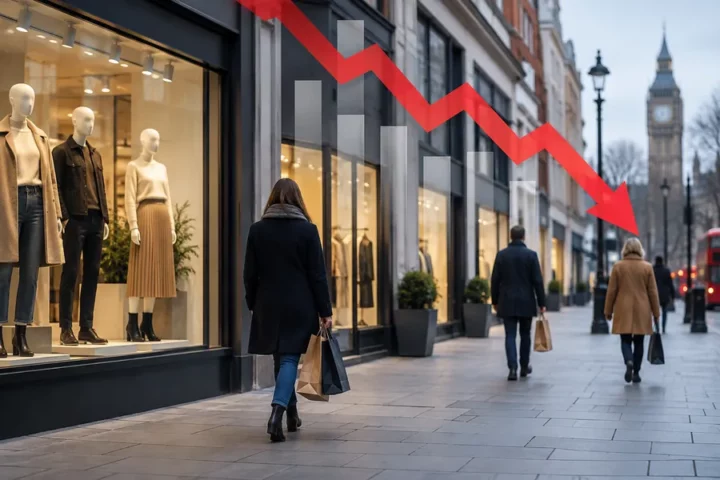
Retail sales volumes in Great Britain fell by 0.4% in September 2026 compared with August, according to Office for National Statistics (ONS) figures reported by the Guardian. The decline was steeper than economists had expected: the consensus forecast was for a 0.1% fall.
The figures cover England, Scotland and Wales, but not Northern Ireland. They measure the volume of goods sold, adjusted for price changes, rather than the cash value of spending at the tills. The distinction matters: higher spending does not necessarily mean shoppers are buying more.
Fuel sales softened the decline
Excluding automotive fuel, retail sales volumes fell by 0.7% month on month in September. Fuel stood out from the other categories: sales volumes rose by 2.2%, while the value of sales increased by 6.1%. That growth limited the fall in the headline measure.
The largest of the reported declines was in non-store retailing, which mainly covers online sales, where volumes fell by 2.2% compared with the previous month. Textile, clothing and footwear stores recorded a 0.9% drop, household goods stores a 0.5% fall and supermarkets a 0.4% decline.
According to the Guardian’s report on 23 October, unusually warm weather partly held back purchases of autumn and winter clothing. This is a partial explanation for conditions in one part of the market, rather than the sole cause of the overall decline in retail sales.
August growth revised upwards
September’s weaker performance followed a stronger August than initially estimated. The Guardian reports that the ONS revised August’s month-on-month growth in sales volumes from 0.5% to 0.7%.
The latest monthly figures therefore show a retreat following August’s growth. They do not mean that sales fell across every part of retail: increased fuel purchases contrasted with weaker results at supermarkets, clothing shops and non-store retailers.