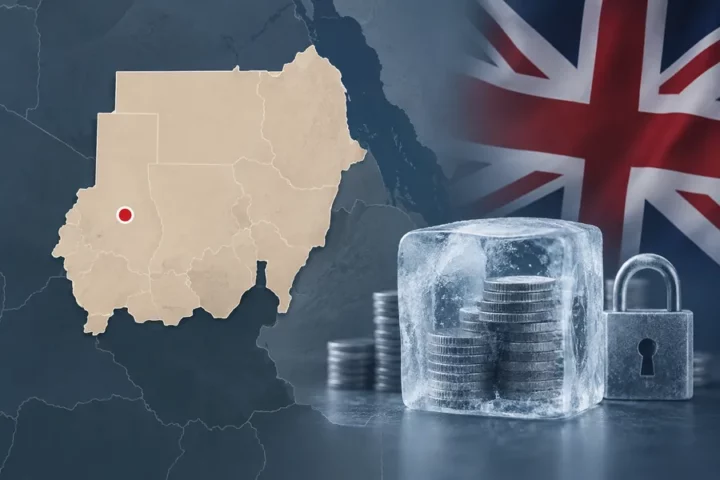
The UK government plans to scrap gas standing charges for 23 million households, but the costs will not disappear from bills. Instead, they would be transferred to the price charged for the gas people use. Treasury estimates suggest around 60% of households with a gas bill could save an average of about £45 a year.
According to The Guardian, Chancellor John Healey announced plans to ask Ofgem, the energy regulator for England, Scotland and Wales, to remove gas standing charges. The announcement came on 28 October, ahead of the Budget statement scheduled for that day. The proposed changes would take effect in 2027, or as soon as possible afterwards. They are not yet in force.
The separate charge would go, but the costs would remain
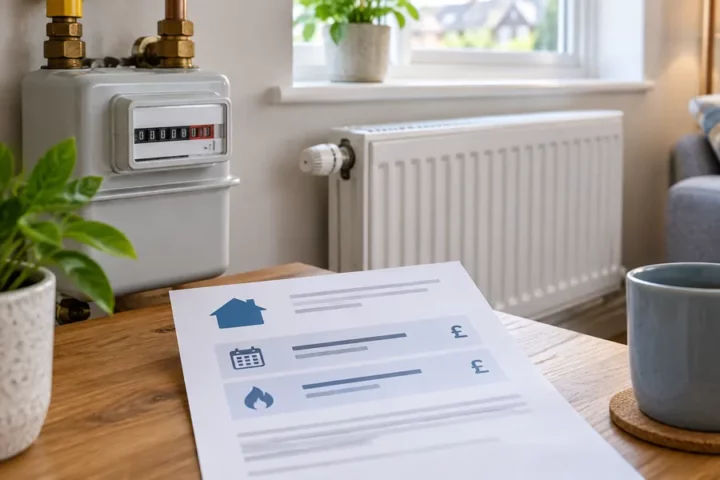
A standing charge is a daily fee paid regardless of how much gas a household uses. It applies even when consumption is zero. According to the Treasury statement quoted by The Guardian, the charge averages £108 a year for a typical household.
That figure is not a promised saving. Under the government’s plan, costs currently covered by the standing charge would be included in the unit rate for gas. Rather than paying part of their bill as a fixed daily fee, households would pay those costs through the price of the fuel they consume.
Estimated savings would not apply to everyone
The Treasury estimates that around 60% of households with a gas bill could pay an average of about £45 less each year. This is neither a forecast of savings for all 23 million households covered by the announcement nor a guaranteed reduction for any individual customer.
Gas consumption would matter because the existing fixed costs would move into the usage rate. The estimates do not set out the effect on every type of customer. For households reviewing their budgets, the key distinction is that removing a separate charge would not automatically cut every annual bill by £108. Until new rules are introduced, the announcement itself does not change how gas bills are calculated.