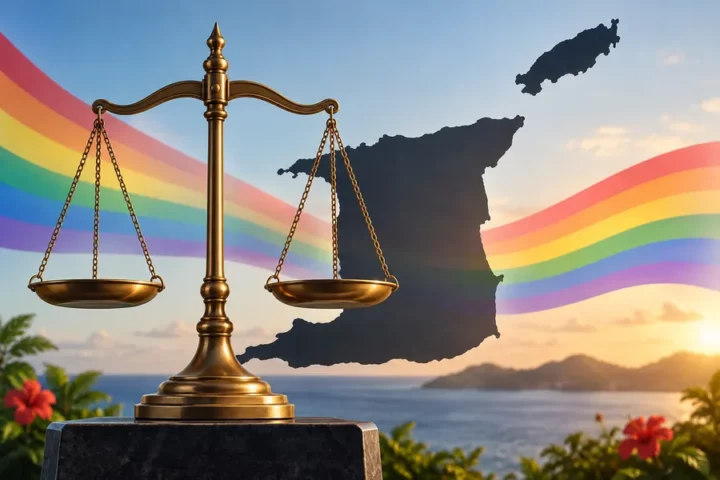
Private, consensual sexual relations between adults of the same sex should not be criminalised under Trinidad and Tobago’s laws, according to a ruling by the Judicial Committee of the Privy Council in London reported by The Guardian. The judgment on 10 November 2026 marks a victory for activist Jason Jones after roughly a decade of legal proceedings.
The Judicial Committee of the Privy Council is the final court of appeal for Trinidad and Tobago and several other Commonwealth countries. According to the newspaper, all five judges held that sections 13 and 16 of the Sexual Offences Act 1986 must be interpreted in line with the constitution so that they do not criminalise private, consensual sexual activity between adults of the same sex.
The distinction matters: the ruling does not formally remove those provisions from the statute book. Instead, it determines how they must be understood and applied in light of constitutional protections for individual rights.
A long-running legal challenge
The case has passed through several stages. In 2018, a court found that provisions criminalising consensual anal sex were unconstitutional. The government appealed, and in 2025 Trinidad and Tobago’s Court of Appeal overturned the ruling in Jones’s favour. The Privy Council has now overturned that appeal judgment.
As The Guardian reports, the judges highlighted the importance of intimate, loving relationships and the constitutional protection of family life. The protection described in the judgment concerns sexual relations that are private, consensual and between adults.
Jones, a human rights and LGBTQ+ rights campaigner, and his lawyers welcomed the decision. He believes it could have wider significance for other Caribbean countries. That remains his assessment of its potential consequences: the ruling concerning Trinidad and Tobago does not automatically change the law in other jurisdictions.