The UK entered the pandemic with a testing and contact-tracing system capable of handling only relatively small numbers of infections. According to the seventh report of the UK Covid-19 Inquiry, as described by the BBC, those shortcomings meant early attempts to contain the outbreak were doomed to fail. Failures in preparedness also contributed to the need for tougher restrictions, including lockdown and school closures.
In its coverage published on 19 November 2026, the BBC sets out the report’s assessment of testing, identifying infected people’s contacts, asking people to isolate and border controls. The findings concern earlier decisions and preparations for future outbreaks, rather than new rules for people living in the UK.
The system could not cope with the early outbreak
One of the key decisions examined in the report was the abandonment of testing outside hospitals and contact tracing in mid-March 2020. Ministers explained that testing capacity had been overwhelmed. As reported by the BBC, the inquiry links that decision to the almost uncontrolled spread of the virus and loss of life.
The inquiry makes clear that the problem did not begin with the first wave of infections. Earlier preparedness exercises, Cygnus and Alice, had exposed difficulties involving testing, contact tracing or isolation. According to the report, the lessons from those exercises appear not to have been fully implemented.
The inquiry’s chair, Baroness Hallett, said the UK should have been better prepared for a pandemic and should have drawn on the experience of countries and territories that had dealt with other outbreaks. The report concludes that the lack of an adequately prepared system, alongside other failures, contributed to the need for more disruptive restrictions.
Its assessment is not entirely negative, however. Once expanded, the testing, contact-tracing and isolation system was effective, according to the report. The BBC says more than £30 billion was spent on those activities across the UK during the pandemic. That figure covers all three areas, rather than a single app or one programme in England.
Isolation needed support, not just instructions
The report also examines the circumstances of people asked to stay at home. Financial and practical support for those required to isolate was inadequate. The needs it identifies include help with essentials such as buying food and collecting medicines — support that mattered to people’s ability to follow isolation requirements.
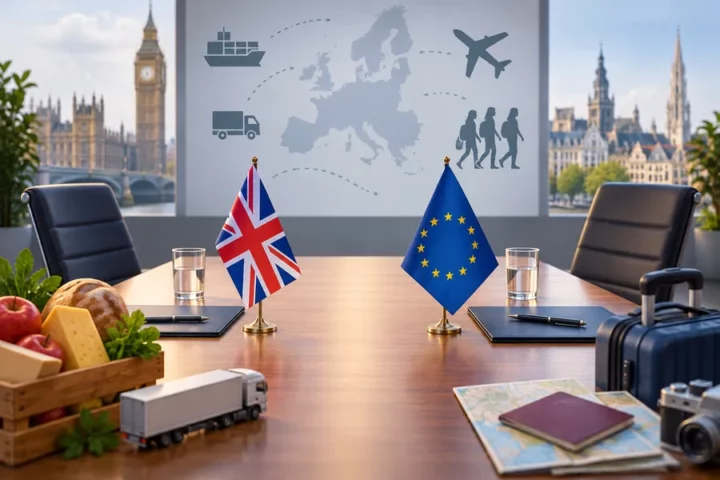
A separate part of the findings concerns borders. According to the report, the UK had no clear border-control strategy at the start of the pandemic. The inquiry recommends preparing appropriate measures for the earliest stages of a future pandemic.
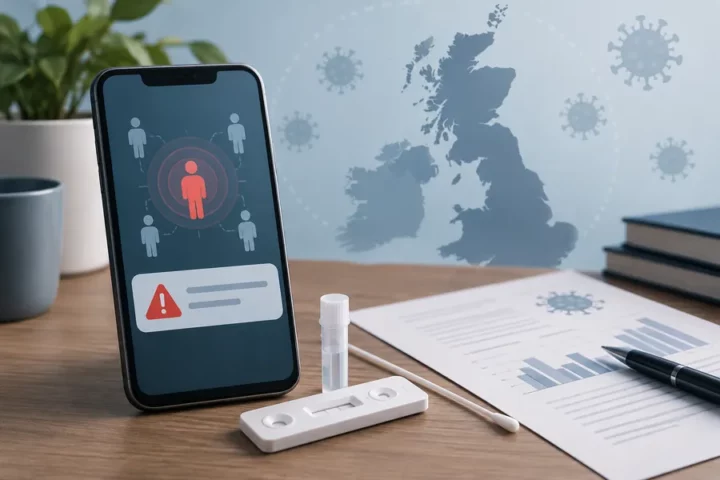
The report also recognises the potential of digital contact tracing and recommends developing a UK-wide tool for a future outbreak. It stresses, however, the importance of accuracy and users’ trust. These are recommendations for future preparedness, not an announcement of a new system or new obligations.