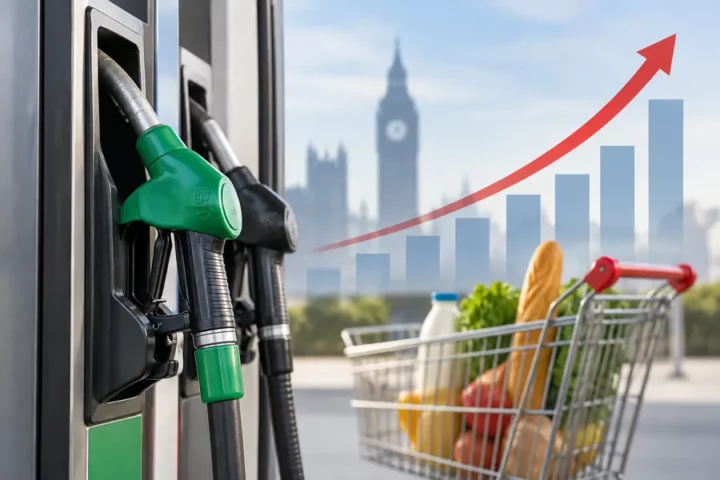
Annual UK inflation rose to 3.6% in October 2026, up from 3.5% in September, with higher fuel prices among the main drivers. BBC reporting of figures from the Office for National Statistics (ONS) shows average petrol prices reached their highest level since August 2022, while diesel hit a record in the 30-year data series.
The figures, published on 18 November, mean prices were on average 3.6% higher than a year earlier — not that they rose by that amount in a single month. The annual inflation rate increased by 0.1 percentage points compared with September.
Petrol rises by 5.2p a litre in a month
According to the ONS figures cited by the BBC, petrol prices rose by 5.2p a litre between September and October, taking the October average to 174.7p a litre. Diesel averaged 199.5p a litre, the highest recorded in the 30-year series. These are averages for the whole of October, rather than pump prices on the day the report was published.
ONS chief economist Grant Fitzner identified fuel prices as one of the main factors behind October’s rise in inflation. The statistics agency also said higher oil and petrol prices contributed to annual increases in raw material costs and the prices of goods leaving factories.
Price pressures were not uniform
Elsewhere, the picture was more mixed. The BBC reported that price rises in restaurants and cafés slowed, while average hotel prices fell. Core inflation and services inflation changed little from the previous month.
For households, the headline rate provides a broad measure of price changes, but it does not mean every bill rose by 3.6%. October’s figures highlight particularly strong pressure on the cost of filling up — an important expense for people who regularly drive to work.