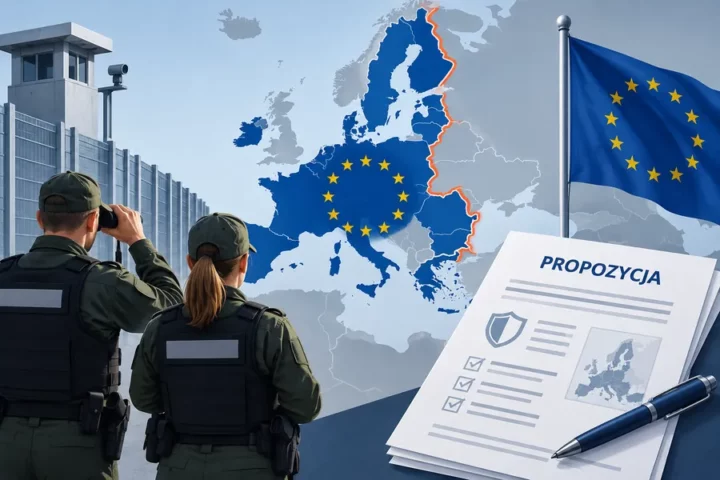
Frontex would coordinate migrant returns on a larger scale and help countries outside the European Union organise them under a European Commission proposal. According to DW, the Commission presented plans on 27 October 2026 to expand the powers and resources of the EU’s border and coast guard agency. The measures are proposals, not rules already in force.
The plan concerns the return of migrants with irregular immigration status to their countries of origin. DW reports that Magnus Brunner, the European Commissioner for Internal Affairs and Migration, proposed making Frontex the EU’s central body for returns. The agency would take on a greater role throughout the returns process, with a new EU returns coordination centre established within it.
A significant part of the proposal would allow Frontex to support countries outside the EU in organising returns, extending its work beyond assistance to member states. This does not mean operations under those new arrangements have begun: the measure remains part of the Commission’s proposed changes.
A larger corps and rapid deployment
The additional responsibilities would be accompanied by more personnel. According to DW, the plan envisages gradually expanding Frontex’s standing corps to 30,000 officers by creating a new European border and return reserve of 17,000 officers over the next 15 years.
Under the Commission’s plans, as reported by DW, reserve officers would remain available to member states and could be deployed when needed. Brunner also described proposed rapid-response forces capable of deployment within 24 hours. Both the staffing figures and the response time are aims of the reform, rather than descriptions of the agency’s current operational capacity.
Internet monitoring and rights safeguards
The proposal also includes an internet monitoring centre. DW reports that it would monitor border-related activity on social media and support action on content linked to threats to border security.
Changes would also affect rights safeguards. According to DW, the proposal would narrow the remit of the agency’s internal rights protection body and direct complaints to national authorities. This is one of the elements that would shape how Frontex’s activities are overseen.
Tineke Strik, an MEP from the Greens/European Free Alliance group, criticised the proposal. Quoted by DW, she accused the Commission of giving ground to populists and the far right on migration. That is her political assessment of the plan, rather than an established outcome of the reform.
For now, the proposal sets out the changes the Commission wants to make to EU border and returns policy. It does not itself give Frontex new powers, and there is no confirmed date for the measures described to be adopted or enter into force.