Latin American criminal organisations are doing more than supplying drugs to European mafias: according to a Guardian investigation, they have their own intermediaries, members and operational cells on the continent. The newspaper identified their presence in at least 12 European countries. A separate report on the Brazilian group PCC, described by the Guardian, also names the UK and Ireland.
The findings of the four-month investigation were published on 13 October 2026. The newspaper says it drew on databases, information from police and intelligence services, and interviews with judges, prosecutors and experts from eight countries. Its survey covers organisations identified through police operations, cross-border investigations and ongoing court cases.
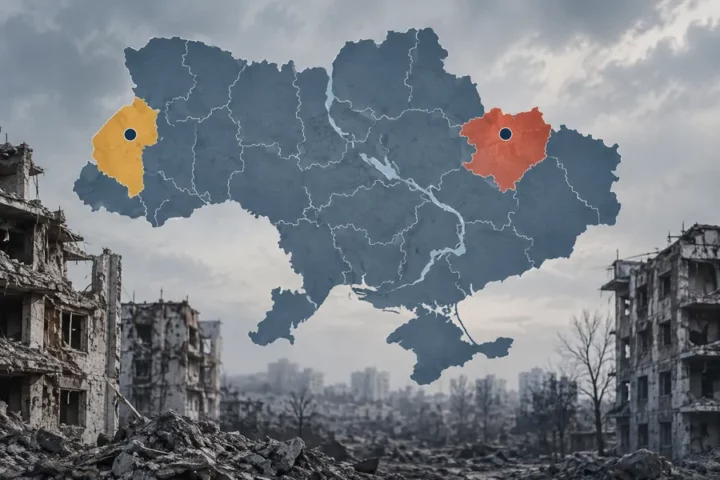
According to the Guardian’s findings, cartels, factions or gangs from Colombia, Brazil, Ecuador, Venezuela, Mexico and the US have a presence in Europe. The newspaper highlights a particularly marked presence in Spain, Portugal, the Netherlands, Belgium and France, alongside recorded activity in Germany, Romania, Croatia and Slovakia. It also describes their links with local mafia organisations.
Presence does not mean control of the market
The groups named include Mexico’s Sinaloa and CJNG cartels, Colombia’s Clan del Golfo, Brazil’s PCC and Comando Vermelho, and Venezuela’s Tren de Aragua. The extent of their presence can vary considerably, however, from intermediaries to small cells and wider operational networks. Recording a group’s presence in a country does not mean it controls the local drugs market.
The survey also has a defined scope: it excludes organisations that work with European mafias but have no physical presence in Europe. The figure of at least 12 countries therefore reflects the newspaper’s findings, rather than every possible criminal connection between the continents.
A different figure comes from an unpublished report by prosecutors in São Paulo, which the Guardian says it examined. According to that document, PCC operates in 16 European countries, including the UK and Ireland. This finding concerns one Brazilian organisation and a separate report; it should not be conflated with the newspaper’s survey of 12 countries.
Poland features in the article in connection with synthetic drug production. Daniel Brombacher of the Global Initiative Against Transnational Organized Crime, an organisation specialising in organised crime, is quoted by the newspaper as pointing to police discoveries of methamphetamine laboratories run by Mexicans in north-eastern Poland, southern France and the German state of Brandenburg.
Links with European networks
Figures from Europol, the EU’s agency for police cooperation, cited by the Guardian illustrate the extent of these connections. Of 731 criminal networks identified as the most threatening and operating in Europe, 149 have links with Latin American organisations. In 67, there are members from Latin America, while 22 consist mainly of people from the region. These are different measures of groups’ connections and membership, not counts of the countries in which they operate.
The investigation also comes against a backdrop of rising cocaine seizures. According to figures cited in the article, the amount of cocaine seized in Europe in 2024 was 471% higher than in 2014. Such a large change is not, however, a direct measure of growth in consumption or the total scale of trafficking. The newspaper’s central finding remains the physical presence of Latin American networks on the continent and their cooperation with local criminal organisations.