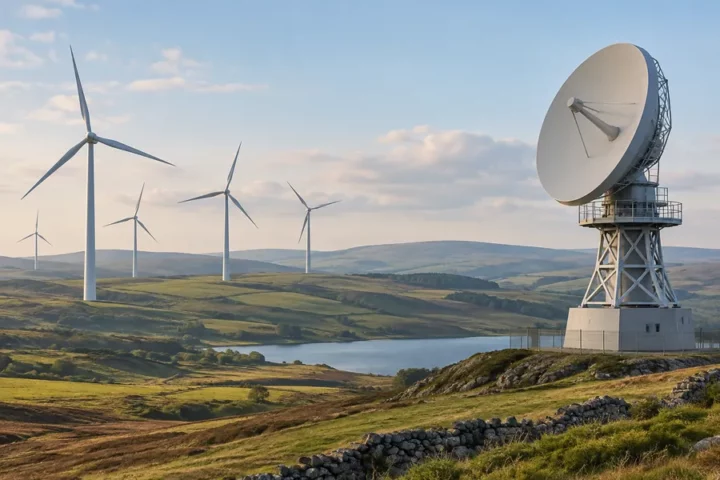
The Ministry of Defence has raised objections to at least four planned wind farms over the past year amid concerns that rotating turbine blades could interfere with radar used to detect military aircraft, The Guardian reports. The objections do not, however, mean the projects have been cancelled or that final decisions have been taken to refuse planning permission.
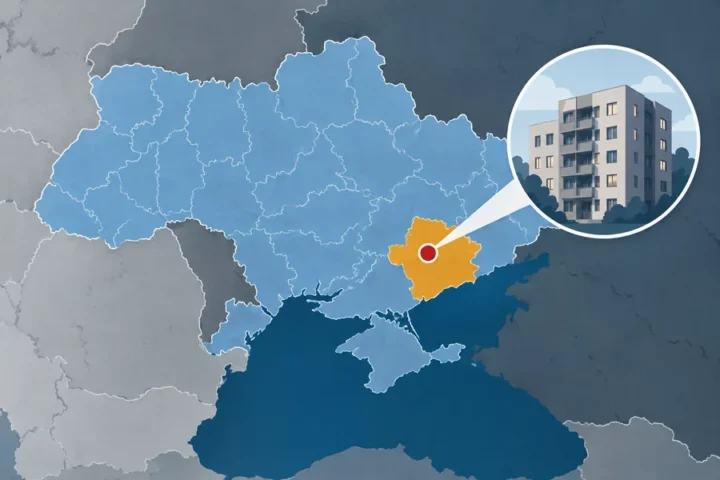
In an article published on 8 October 2026, the newspaper describes the Hope Moor proposal in County Durham, which could involve 23 turbines standing 200 metres tall. In a letter setting out objections raised in late June, officials warned of a risk that aircraft could go undetected in a low-flying area used by the Royal Air Force (RAF). According to the newspaper, Hope Moor has been designated a nationally significant infrastructure project, with the energy secretary due to decide its future.
The other projects described by The Guardian include six turbines at Burton Agnes near Driffield, 13 turbines near the Scottish border and an 87-turbine offshore wind farm in the Irish Sea. Concerns about the offshore project relate to its possible impact on radar systems at Warton airfield in Lancashire. These are assessments of risks associated with proposed developments, rather than confirmed interference caused by operating wind farms.
Objections do not settle the projects’ future
The cases highlight one of the challenges that must be addressed as wind power expands in the UK. According to The Guardian, the government wants to double onshore wind capacity by 2030, but individual developments must go through a planning process that also takes account of defence and security requirements.
A representative of Renewable UK, the renewable energy industry body, told the newspaper that the sector had been working for many years to resolve radar issues. Citing industry sources, The Guardian reports that similar objections often lead to negotiations and changes to turbine specifications. That does not determine the outcome of any of the four cases described.
A spokesperson for the Department for Energy Security and Net Zero said the department was working with the Ministry of Defence. The spokesperson explained that the planning process considers defence, security, the views of local communities and environmental impacts. The Guardian also approached the Ministry of Defence for comment; its published article does not include a response.