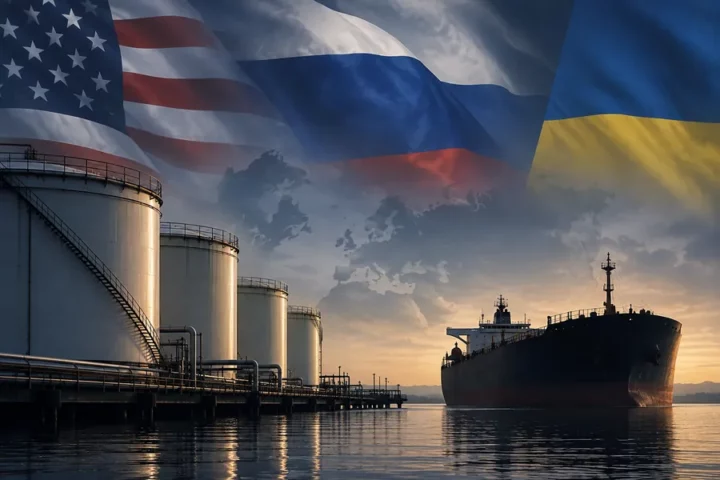
Donald Trump announced an agreement on 9 October 2026 to make Russian diesel available to the US and global markets. Volodymyr Zelensky criticised the decision as a gift to Vladimir Putin, warning that sales of Russian petroleum products help finance the war. Britain, meanwhile, pledged to maintain sanctions pressure on Russia and continue supporting Ukraine.
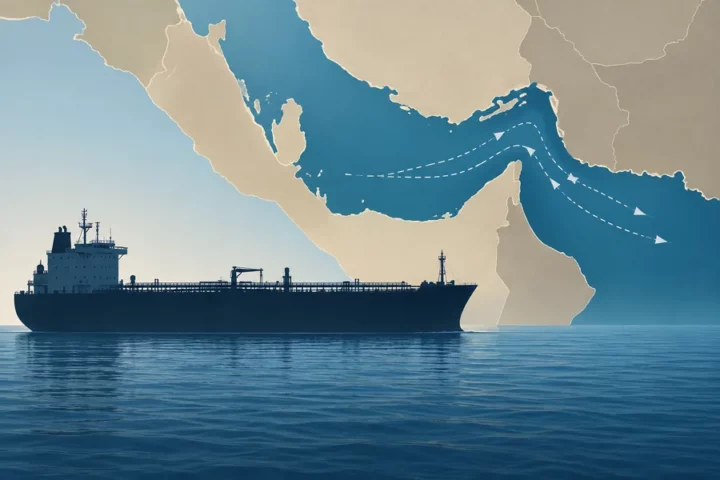
As BBC reports, Trump said Putin had agreed to make 300,000 tonnes of diesel available immediately, followed by 500,000 tonnes in November and a further million tonnes at a later date. The US president also spoke of another 3 million tonnes becoming available soon, but made that part of the plan conditional on the state of Russia’s refineries. These are announced quantities, not confirmation that the fuel has already been delivered.
According to BBC, the US Treasury issued a temporary licence after the announcement allowing Russian diesel onto the market. Putin confirmed Russia’s willingness to supply oil and petroleum products to the US and global markets, but did not specify quantities. How the fuel would be delivered, and what the United States might provide in return, remain unclear.
Ukraine and EU warn of additional revenue for Russia
Zelensky’s criticism centres on the financial consequences of allowing Russian fuel to be sold. According to BBC’s reporting, the Ukrainian president described the decision as investing in a war that should be ended, rather than prolonged.
The EU’s foreign policy chief, Kaja Kallas, raised similar concerns. BBC reports that she said suspending sanctions would give Moscow additional revenue to wage war. She also pledged to maintain European pressure on Russia.
Britain maintains support for Ukraine
In a statement published on 10 October, the British government pledged continued military and financial support for Ukraine and sustained sanctions pressure on Russia. This reaffirmed Britain’s position; it was not an announcement of a new sanctions package.
The government also said it was monitoring the impact of international conflicts on global energy markets and working with partners to support market stability and security of supply. For drivers in Britain, however, the agreement’s announcement alone does not mean cheaper fuel is on the way. Its impact on pump prices remains undetermined, and the announced deliveries have not been confirmed.